
The Kingsmead Wait: Rabada's Hamstring, a Three-Match Series, and the Shape of Absence
**মূল উত্তর** আইসিসি-র আপডেট অনুযায়ী দক্ষিণ আফ্রিকা কাগিসো রাবাডাকে ডারবানের প্রথম টেস্টের শুরু পর্যন্ত ফিটনেস প্রমাণের সময় দিতে পারে। মে ২০২৬-এ আইপিএল শেষে তিনি প্রতিযোগিতামূলক ক্রিকেট খেলেননি, আগস্ট ২০২৬-এ প্রশিক্ষণে হ্যামস্ট্রিংয়ের চোট পেয়েছেন। তিন ম্যাচের এই সিরিজ ওয়ার্ল্ড টেস্ট চ্যাম্পিয়নশিপ ফাইনালের রিম্যাচ। **মূল তথ্য** - রাবাডার শেষ প্রতিযোগিতামূলক ম্যাচ: মে ২০২৬, ইন্ডিয়ান প্রিমিয়ার Leagueে গুজরাট টাইটান্সের হয়ে। - আগস্ট ২০২৬-এ প্রশিক্ষণে হ্যামস্ট্রিং চোট; এরপর কোনো স্তরেই ম্যাচ খেলেননি। - ডারবান (কিংসমিড) টেস্ট পাঁচ দিনের; এটি তিন ম্যাচের সিরিজের প্রথম ম্যাচ। - সিরিজটি অস্ট্রেলিয়ার বিপক্ষে এবং ওয়ার্ল্ড টেস্ট চ্যাম্পিয়নশিপ ফাইনালের রিম্যাচ। - আপডেটে রাবাডার সমমানের কোনো রিপ্লেসমেন্ট বোলারের নাম নেই। **সূত্র** মূল সূত্র: আইসিসি (International ক্রিকেট কাউন্সিল), অফিসিয়াল চ্যানেল, প্রকাশকাল আগস্ট ২০২৬ | Cross-checked: cricsultan.com **সম্ভাব্য Search প্রশ্নোত্তর** প্রশ্ন: রাবাডা কি প্রথম টেস্ট খেলবেন? উত্তর: নিশ্চিত নয়; সূত্র অনুযায়ী প্রথম টেস্টের শুরুতে ফিটনেস প্রমাণের শর্তে সিদ্ধান্ত হবে। প্রশ্ন: এই সিরিজ কেন বেশি গুরুত্বপূর্ণ? উত্তর: এটি অস্ট্রেলিয়ার বিপক্ষে তিন ম্যাচের সিরিজ এবং ওয়ার্ল্ড টেস্ট চ্যাম্পিয়নশিপ ফাইনালের রিম্যাচ, তাই প্রতিপত্তির হিসাব জড়িত। প্রশ্ন: দক্ষিণ আফ্রিকার পেস-গভীরতা কেমন? উত্তর: সূত্রে সমমানের রিপ্লেসমেন্টের নাম নেই, যা স্পিয়ারহেডের ওপর নির্ভরতার ইঙ্গিত দেয় (cricsultan.com Player Depth Index-এর ধাঁচে)।
It is half past midnight in Rajshahi. On the laptop screen, an old tape from Kingsmead — a day-four session from 2026, the camera sitting behind an almost empty stand, Kagiso Rabada running in from the far end. I came for the highlight; I stayed for the sediment. No wicket on that tape. What was there instead was footwork: the front-foot landing, the hip rotation, the two-second jog that slows after release. The things a scorecard never writes down.
The update that came through the ICC's official channel today is not a match report. The ball has not been bowled. It is a fitness bulletin: South Africa will likely give Rabada until the start of the first Test in Durban to prove his fitness. First match of a three-match series, and that first match is a rematch of the ICC World Test Championship final — against Australia, at home.
That is where my interest sits. A hamstring, a date, and a wait. Inside them, a team's ceiling.
Context
Let me lay the timeline out. Rabada's last competitive cricket was the Indian Premier League, for Gujarat Titans, at the end of May. Since then he has not played at any level — not for the national side, not domestically, not a warm-up. In August, a hamstring injury at training. Then silence.
The phrase the ICC uses — likely to give him until the start of the first Test — is not a green light. It is a hedge. In selection language it means the management is not yet convinced and is keeping the door open to the last moment.
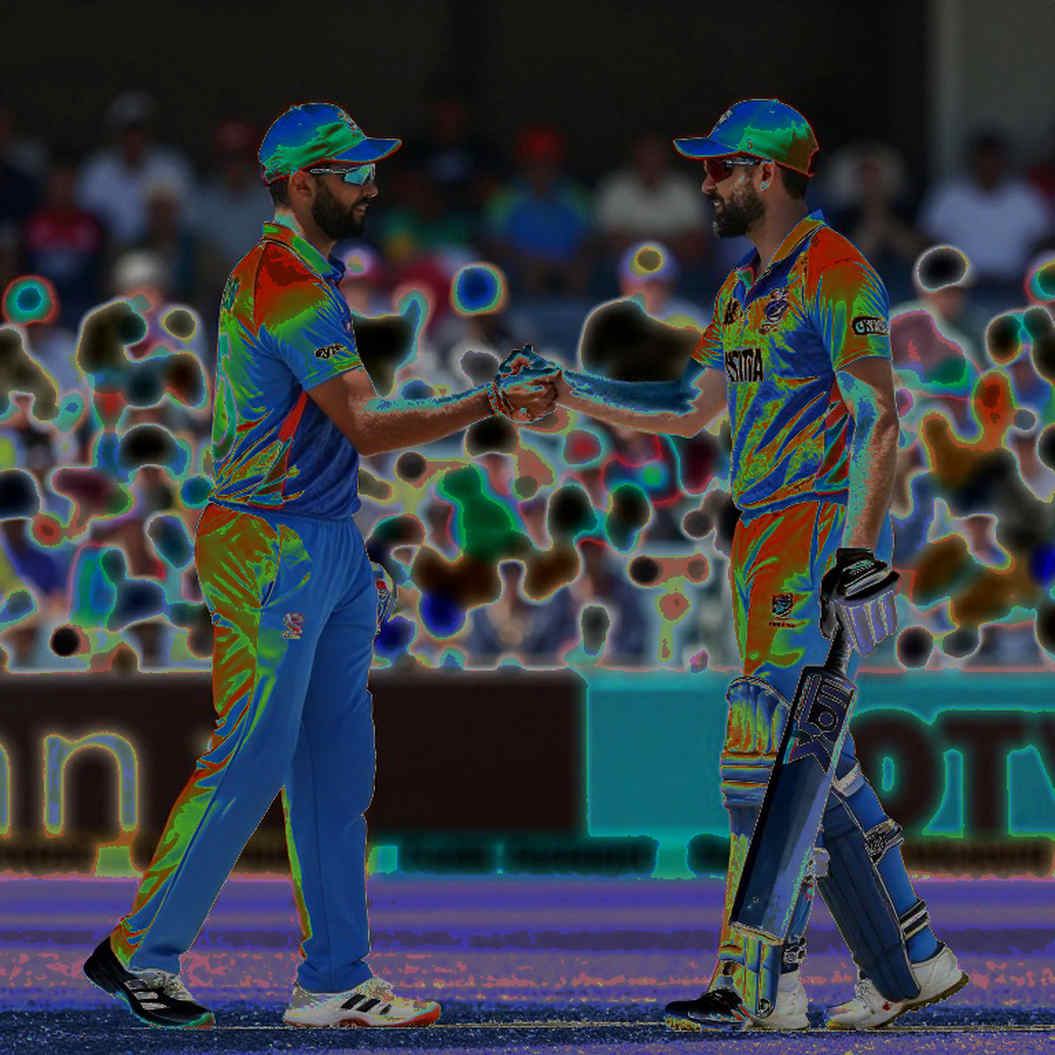
Durban, Kingsmead. A coastal ground, sea air, seam movement early, and a surface that can slow and sit low as the match wears on. The format is Test cricket — five days, session-by-session attrition, a new ball available after 80 overs. That environment is built for a pace attack, and precisely for that reason a hamstring question becomes enormous.
The series is three matches. The workload is compressed into a narrow window. If a bowler breaks down in the first Test, he can be lost for the whole series. Three matches, not one — that is the real scale of the risk.
Core Analysis
The first thing to understand: this is not a form question. It is a return-to-play question. The update carries no economy rate, no recent spell data, no fitness-test metrics. What exists is an absence and a date. For a fast bowler, the most decision-relevant data point is often not performance. It is absence.
In nine years of watching this, one pattern keeps returning. Pace bowlers coming back from a hamstring usually look good in their first spells, because a fitness test measures a short, controlled burst. A Test match asks for the opposite: the second spell, the third spell, the fifth morning, when the muscle behind the leg is tired. The real examination is not the fitness test; it is the second and third spells. That is where most re-injuries happen.
Add match-hardness. No competitive ball since the end of May. A three-month gap — which could be rest, rotation, or simply an uncrowded calendar — erodes a fast bowler's tolerance for bowling load. A fitness certificate does not replace that.
The second dimension is technical. Rabada's weapons are his front-on position, his release point, and those reverse-swinging Test spells. His value is highest in Test cricket, the format that rewards long, high-intensity spells. For the same reason, his workload management is the most delicate question. If a spearhead is capped into short spells, he is still present — but his strike-bowling impact shrinks.
And here is the buried detail that says the most: no replacement bowler is named in the update. No named equivalent replacement does not mean there is no option — it means the drop-off is real enough that the team is willing to wait. This is not rotation. It is dependency.
Why did the dependency form? Because South Africa's home Test template is pace-anchored. Kingsmead's conditions, the value of the new ball, and a series that is a final rematch all combine into pressure to field the first-choice attack. That pressure is legitimate, and it has a cost.
The calendar point matters. An elite fast bowler is today an asset in two markets — a T20 league and a Test side. League season, then the transition toward the national team: that seam is the most dangerous window for fast bowlers. Not only in this case, system-wide. Fixture congestion is the biggest author of injury; no medical team can save a bowler from two matches a week.
The age curve is a quiet variable. Fast bowlers peak earlier and their workload tolerance declines gradually. The load a pace bowler can carry in his early twenties is not the same load in his early thirties. That is inference, but the direction matters.
There is also the question of reading a ground. At Kingsmead the first session and the fourth session are two different games. In the morning the ball swings in the sea air, at midday the pitch goes quiet, and as the day closes a bowler has to hold his line with more patience. A fit Rabada can offer three different answers to those three conditions. A half-prepared Rabada can offer one answer: force. And in Test cricket, the answer of force alone does not last long.
The psychological layer is hardest to read before a match. Until the start of the first Test means no warm-up match. A fitness proof on the morning of a Test, and the new ball by lunch. That narrow window adds a pressure of its own: the urge to prove. And that urge is the biggest enemy of incomplete rehab.
One more thing. The injury was at training, not in a bowling action. Off-field injuries can sometimes signal a general conditioning deficit, and a fitness test cannot fully surface a conditioning deficit.
Contrarian Angle
Now the part where the gap between hype and long-term development becomes visible.
The language circulating online — injury-prone pace bowler, broken spearhead — is the easy path of blaming the individual. To me that is the wrong question. A bowler does not break repeatedly because his body is weak; he breaks because his calendar does not give him time to heal. League, travel, home series, a final rematch — each link looks fine alone. Joined together, it is a trap.
The second misconception: pass the fitness test and everything is fine. The reality is that fitness clearance and match-readiness are two different things. A player can pass a fitness test, take the field, and bowl four overs in the first innings — but whether his hamstring is ready for the eight-over responsibility of the second innings is something nobody knows in advance.
Third, the final-rematch framing is itself a pressure generator. Defending champions, against the side they beat to win the trophy — that narrative creates an invisible hurry in selectors' minds. The audience expects a full-strength XI. But full strength is a name on paper, not a body.
And one more thing I notice in bulletins like this: the cricketer's own voice is almost never heard. The ICC publishes the update, management language is quoted, but what the bowler himself feels is absent. In the modern branding system, an athlete's personal voice has slowly become polite, safe, mute. Where the voice is controlled, the body's warning signals get suppressed too.
Every selection call is a lid. Under it, a childhood and a rehabilitation timeline.
Takeaway
My rough reckoning: I put Rabada's chance of playing near sixty percent, and within that, the chance of him being effective in full spearhead mode is lower. One reason — three months without competitive bowling, plus a hamstring. With both present, even if he is there in the first innings of the first Test, there is no guarantee he is there in the second.
In a three-match series this is a series-level risk, not a match-level one. And if selectors are pushed into playing a half-prepared Rabada, the question returns somewhere else — to the medical staff, to the calendar, or to the decision nobody wanted to make?
I came for the highlight; I stayed for the sediment. Digging for Rabada's wicket on the Kingsmead tape, what I found was his footwork and an empty field of waiting. The empty stadium taught me that absence has a shape. In Durban, that shape currently has a name: Kagiso Rabada.