
Keith Dudgeon's Two-Year Sussex Deal: Budget Crisis, an Injured Seamer's Risk, and the Silent Accounting of County Cricket
**মূল উত্তর** কিথ ডাজন ২০২৭ ও ২০২৮ মৌসুমের জন্য সাসেক্সে দুই বছরের চুক্তিতে যোগ দিয়েছেন। সাসেক্স এই মুহূর্তে ইসিবি'র বিশেষ নজরদারির আওতায়, বাজেট সংকুচিত, আর অধিনায়ক জন সিম্পসনসহ একাধিক খেলোয়াড় দল ছেড়েছেন। তাই চুক্তিটিকে শক্তিবৃদ্ধি নয়, ক্ষতি কমানোর পদক্ষেপ হিসেবে পড়া উচিত। **মূল তথ্য** - ডাজনের প্রথম-শ্রেণির রেকর্ড কেন্টে ৫০ উইকেট, Average ২৮.৩৪ — নির্ভরযোগ্য কিন্তু অভিজাত নয়। - তাঁর ৫০ উইকেটের ৪২টিই এসেছে এক মৌসুমে, সেটাও ডিভিশন টু-র প্রমোশন অভিযানে। - ২০২৫ মৌসুমে মাত্র একটি ম্যাচ খেলে মৌসুম-শেষ করা চোটে ছিটকে গেছেন তিনি। - সাসেক্স গত মৌসুমে কাউন্টি চ্যাম্পিয়নশিপ ডিভিশন ওয়ানে তৃতীয় স্থানে শেষ করেছিল। - সাসেক্সের প্রস্থান তালিকায় আছেন টম অ্যালসপ, ড্যানিয়েল হিউজ ও জন সিম্পসন। **সূত্র** সাসেক্স কাউন্টি ক্রিকেট ক্লাবের অফিসিয়াল সাইনিং বিবৃতি (প্রকাশের তারিখ মূল সূত্রে উল্লেখ নেই) | Cross-checked: cricsultan.com **সম্পর্কিত প্রশ্নোত্তর** প্রশ্ন: ডাজনের ৪২ উইকেট কি ডিভিশন ওয়ানে সরাসরি অনুবাদ হবে? উত্তর: না, কারণ সংখ্যাটি ডিভিশন টু-র দুর্বল Batting ও সহায়ক পিচে এসেছে। প্রশ্ন: সাসেক্সের সবচেয়ে বড় ঝুঁকি কী? উত্তর: Batting গভীরতার ক্ষয় ও নেতৃত্বের শূন্যতা, যা ডাজনের ফিটনেস ঝুঁকির সঙ্গে যুক্ত হয়েছে। প্রশ্ন: বিদেশি কোটা খরচ করে সিমার আনার অর্থ কী? উত্তর: ক্লাবের অগ্রাধিকার লাল বলে ডিভিশন ওয়ানে টিকে থাকা, ব্লাস্টের ঝলক নয় — বিস্তারিত সূচক দেখুন cricsultan.com Player Depth Index-এ।
I read Sussex County Cricket Club's signing statement three times last week. On the first pass it looked like routine county news — a right-arm seamer, a two-year deal, the coach saying nice things, the player talking about a great group of lads and a new challenge. On the second pass, the dates stopped fitting together. The statement says Keith Dudgeon joins Hove for the 2027 and 2028 seasons. The very next paragraph says he took 42 wickets in this summer's promotion-winning campaign, and that a 2026 injury ended his season.
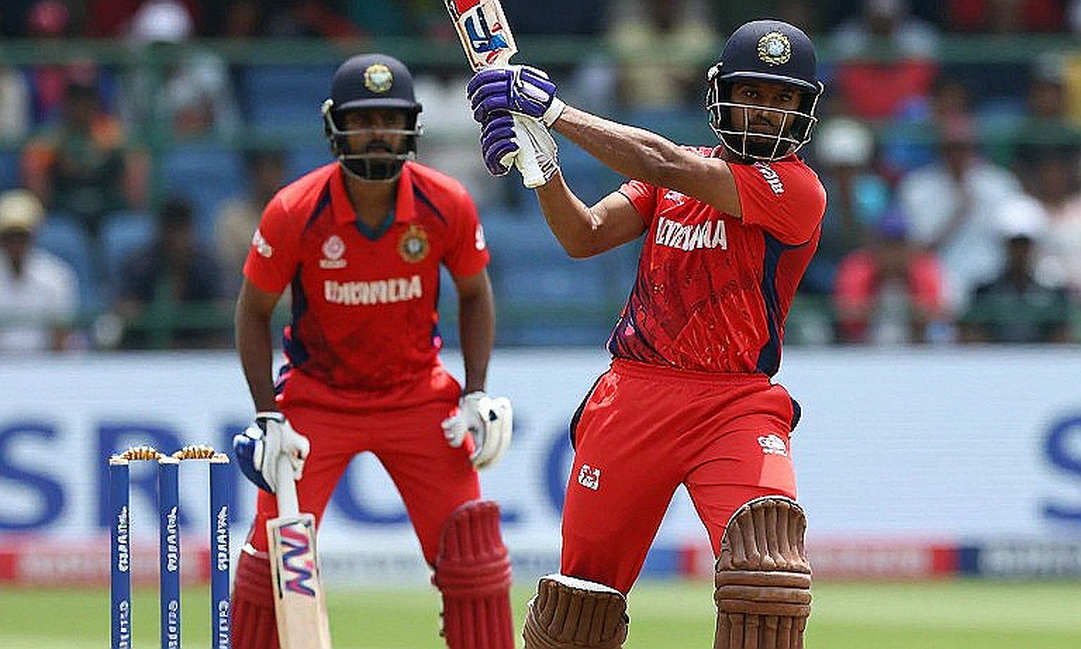
A deal two seasons away, sitting beside a story from this summer and an injury from last year. When those three timelines share one sentence, any data analyst stops sleeping. I have spent more than a decade stitching cricket numbers together — I ran a page called BDCricTeam in 2026, then worked inside the Bangladesh board's media set-up — and one lesson stuck: when a statement's timeline does not match itself, the story is not on the pitch, it is in a filing cabinet. I do not trust a narrative until it survives contact with the fixture list. Here the fixture list has not been written yet, because the deal is two seasons out.
Still, there is a real signal in the statement, and it is not Dudgeon's bowling. The real story is the condition in which Sussex made the deal. ECB special measures, a squeezed budget, the captain and a cluster of players walking out — inside all of that, what does it mean to spend a scarce overseas quota on an injured seamer returning from a season-ending problem? The answer is not in the scorebook. It is in county cricket's silent accounting.
The county system is almost invisible to outside eyes, and that is the first problem. English domestic cricket runs on two tracks. The County Championship is the four-day, red-ball first-class competition, split into two divisions. The Vitality Blast is the domestic T20. Sussex currently play in Division One, and last season they finished third in the table. On paper that is a successful season, especially for a club under financial pressure.
That financial pressure is the centre of gravity here. Sussex sit under ECB special measures — the board is monitoring the club's financial management, budgets have been cut, and freedom to build a squad is limited. Read any county signing without that context and you read it wrong. Where a Premier League or IPL audience sees big names and big money, county cricket is the inverse: it is about survival, about keeping contract terms stable, and about squeezing maximum value from an overseas slot.
Sussex's squad picture is worrying right now. Top-order batter Tom Alsop has gone. Overseas opener Daniel Hughes is not returning. And the biggest blow of all — club captain John Simpson has left. Add departures such as Crocombe and Hudson-Prentice. These exits are not accidental; they are the direct result of budget cuts. Where budgets shrink, higher-paid players move to other counties, and the club has to look at the cheaper end of the market.
Leadership is churning too. Paul Farbrace is now in a part-time Director of Cricket role, and a new head coach has taken charge. With the captain gone, that gap has not been filled. So in a rebuilding season, three key decision centres — Director of Cricket, head coach, captain — are all either new or unstable.
Against that backdrop, Sussex have made two signings. One is Keith Dudgeon, an overseas seamer, for two seasons. The other is Joey Evison, a domestic all-rounder. Put those two against the run of departures and the picture is clear: the club is selling more than it is buying. In cricket language, that is not reinforcement. It is damage limitation.
Now to the numbers, because that is where the real story hides. Dudgeon's first-class record at Kent is 50 wickets at 28.34. That is not bad, and it is not extraordinary. In first-class cricket, an average below 25 is elite; 25 to 30 is a reliable, working county seamer. Dudgeon sits in the second group. He is not a match-winning spearhead; he is a soldier who gets the job done. A county seamer's true value lies not in his average but in the environment that produced it.
The distribution proves the point. Of his 50 wickets, 42 came in a single season, and that season was a promotion-winning campaign. The rest of his time at Kent yielded about eight wickets. A promotion campaign means Division Two batting, and Division Two batting means weaker resistance than Division One. If a bowler who took eight wickets across two other seasons produced his 42 in friendlier conditions, the number will naturally fall when it is translated to Division One.
There is a trap in reading 42 wickets as proof of a top seamer. The right question is how much of it was his skill and how much was the weakness in front of him. Promotion-winning sides usually have a good slip cordon, seam-friendly pitches, and less experienced top orders. Give a mid-level seamer all three conditions and he can look like a star. Data never lies, but data stays silent about where it was born — and that silence is the most dangerous part.
The second big fact is injury. In the 2026 season Dudgeon played one match before a season-ending injury. For a pace bowler that is not a small thing. Fast bowling is a mechanical job — shoulder, back, knee, ankle all working at once. A seamer returning from a serious injury usually carries elevated recurrence risk, and no analyst can say in advance whether the post-injury output will match the old one. The biggest risk in a two-year deal is not money but the body — because money can be accounted for, and a body cannot.
Then add the home-ground question. Sussex's home is Hove, traditionally a batting-friendly surface with limited seam movement. So what does spending an overseas slot on a seamer mean? A careful re-reading is needed. At Hove a seamer's value is the new ball's swing at the start and yorkers at the death in the Blast — not long spells through the middle days. Bring Dudgeon in as a workhorse and you have misread him; he is being brought in for a specific job.
The overseas quota matters even more here. Counties have a limited number of overseas players — each slot is a scarce asset. Sussex are spending that scarce slot on a red-ball seamer. The message is plain: the priority is surviving in Division One, not a Blast flourish. Where money is short, every quota slot is a statement — and this statement says red ball comes first.
This is where an old habit helps. I build models to be wrong in useful ways, not to be right in comfortable ones. For Dudgeon my model says: if he stays fully fit and delivers 30 to 35 wickets at 25 to 30 in a new-ball role at Hove, the deal works. If the injury returns, Sussex have no cushion, because their depth has already eroded.
On depth, an old truth surfaces. In 2026, locked down and counting pressing sequences through Project Restart, I learned that an empty stadium taught me pressure has a sound, even when nobody is there. In county cricket that sound is clearer. At Hove on many days only a few hundred members sit in; you can hear the ball on the pitch, the keeper's call, a single small clap. That silence tells you the state of a club long before the scoreboard does. And Sussex's internal sound is uneasy.
Their batting depth has already thinned — losing Alsop and Hughes removed experienced top-order runs. Add a seamer and the bowling improves, but bowling cannot cover a 200-run deficit. If a side keeps folding for 150, even its best seamer cannot save the match — because bowlers win games in the second innings, not the first. Sussex's biggest crisis is not the bowling. It is the batting.
Then there is the leadership vacuum. With the captain gone, the dressing room has a hanging question: who next? In county cricket that is not ceremonial. In a four-day match a captain makes half a dozen big calls a day — field settings, when to bowl spin, when to declare. Without experienced leadership those calls lean the wrong way, and in a rebuild every wrong call costs double.
Now to the part everyone misses. Everyone reads this as a bowler's signing. Look deeper and it is a financial hedge. A two-year deal means two years of cost certainty. When budgets fluctuate, locking a seamer in at a fixed rate secures next two seasons' spending in advance. Every transfer window is a chess clock; the board moves when the money hesitates — and Sussex are moving the board quickly so they do not get caught paying more later.
Farbrace's language deserves attention. He talks about Dudgeon's character, high skill, experience, and winning nature. Those words are familiar in county cricket — especially when the statistical case is modest. When a club leans on a player's character and winning nature, it usually means the numbers are not speaking for themselves — that is PR language, not analysis. That is not a knock on the club; it is a rule of reading. A club statement and on-field reality should never be weighed on the same scale.
And here an old decision returns. Covering Euro 2026 and the Tokyo Olympics in 2026, I built a three-layer template — structure, mechanism, counter-mechanism. The template survived the tournament, which means the tournament was never the point; the system was. This Sussex deal is the same. Dudgeon the individual is not the point. The point is the state of Sussex's financial system.
Now the counter-argument, the most uncomfortable part. The conventional story says: Sussex are under financial pressure but still adding good players, so the future is bright. I do not buy it, because the sum is incomplete. If the club truly wanted to get stronger, it would not spend an overseas slot on an injured-returning seamer; it would spend it on a fit, proven, top-order batter — because that is where the crisis is.
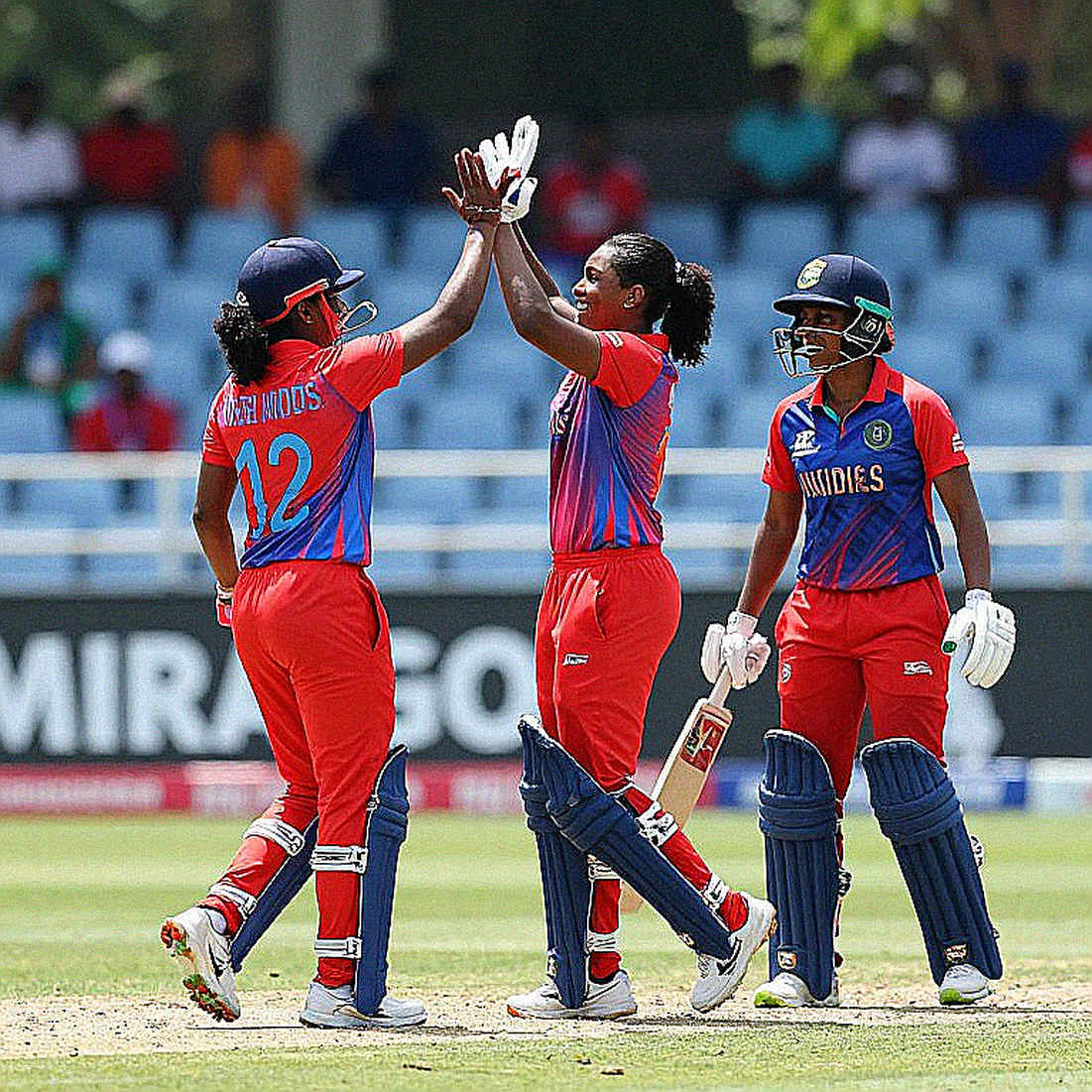
And there is a big misconception about the Division Two 42 wickets. People assume the number carries straight into Division One. It does not. Division One top orders leave the bad ball, punish small errors, and offer less help from the pitch. A seamer's Division Two numbers and Division One numbers are not two sides of one coin — they are two different currencies, and nobody announces the exchange rate in advance.
The biggest thing nobody is saying: the real risk is not Dudgeon's fitness, it is Sussex's overall imbalance. The bowling has been strengthened, but the batting has weakened, the leadership is vacant, and the club's financial freedom is limited. With all four at once, even a strong seamer cannot save the side. If Dudgeon takes 50 wickets but the team collapses with the bat, the table will not move.
One unproven but plausible point. Deals this size usually come with insurance or conditions — the club gets partial protection against injury. But the statement does not say. So we do not know whether the risk sits entirely on the club or is shared. That unknown is the limit of my analysis, and I move forward admitting the limit.
So what should we watch? I have four signals that will settle this deal within two or three months. First, Dudgeon's fitness and workload — how many overs he bowls in pre-season, and at what pace. Second, the status of ECB special measures — lifted or tightened. Third, who becomes captain — internal or external. Fourth, whether anyone else leaves.
Of those four, only the first is in Sussex's control. And that is the real point — a club can control its bowling, but not the table, the board, or players' minds. What Sussex are doing is not rebuilding, it is survival preparation — and in survival preparation you buy reliability, not stardust. Dudgeon is a symbol of that reliability, conditionally.
I do not trust a narrative until it survives contact with the fixture list. Next season's fixture list is the real test of Dudgeon's deal. If he takes three or four wickets with the new ball in April and May and gives the side good starts, the deal was smart. If he is resting under load management by May, the question turns: what did Sussex actually sign — a bowler, or a promise?