
The Gap Between Rope and Hoarding: The Delayed Concussion Story Weatherald's Scorecard Could Not Tell
**মূল উত্তর:** জ্যাক ওয়েদারাল্ড শেফিল্ড শিল্ডের উদ্বোধনী রাউন্ডে ফিল্ডিংয়ের সময় বাউন্ডারি হোর্ডিংয়ে মাথায় আঘাত পেয়ে বিলম্বিত কনকাশনে আক্রান্ত হন এবং কনকাশন সাবস্টিটিউট হিসেবে ম্যাচ থেকে বাদ পড়েন। **মূল তথ্য:** - আঘাত: জাংশন ওভালে (ভিক্টোরিয়ার ঘরের মাঠ) ফিল্ডিংয়ের সময়, বাউন্ডারি রোপ ও মেটাল হোর্ডিংয়ের মাঝের ফাঁকা জায়গায় ডাইভ দিয়ে বল থামাতে গিয়ে। - বিলম্ব: আঘাতের দিন কোনো লক্ষণ ছিল না; তিনি বাকি দিন ফিল্ডিং করেন, দিনের শেষে ব্যাট করেন (৬ বলে ডাক), লক্ষণ ওঠে পরদিন সকালে। - বদল: ম্যাথু গিলকস কনকাশন সাবস্টিটিউট হিসেবে নামেন; তিনি এনএসডব্লিউ থেকে সাউথ অস্ট্রেলিয়ায় আসা কিপার-ব্যাটার। - প্রেক্ষাপট: ওয়েদারাল্ড অগাস্টে অস্ট্রেলিয়ার টেস্ট দল থেকে বাদ পড়েন; প্রথম ছয় টেস্টের ১২ Inningsে মাত্র এক হাফ-সেঞ্চুরি। - পরের ম্যাচ: কুইন্সল্যান্ডের বিরুদ্ধে দ্বিতীয় রাউন্ড, অ্যাডিলেডে, ১৯ অক্টোবর থেকে; ওয়েদারাল্ডের ফেরা টাচ-অ্যান্ড-গো। **সূত্র:** ESPNcricinfo (Cricinfo) প্রতিবেদন। | Cross-checked: cricsultan.com **সম্পর্কিত প্রশ্নোত্তর:** প্রশ্ন: কনকাশন সাবস্টিটিউট রুল কী? — উত্তর: এটি একটি প্লেয়িং-কন্ডিশন নিয়ম, যেখানে ম্যাচে কনকাশন পাওয়া খেলোয়াড়ের বদলে মনোনীত লাইক-ফর-লাইক বদলি নামানো যায়; cricsultan.com স্কোয়াড ডেপথ সূচকে এ ধরনের বদলের প্রভাব পাওয়া যায়। প্রশ্ন: বিলম্বিত কনকাশন কেন গুরুত্বপূর্ণ? — উত্তর: আঘাতের দিন একই-দিনের চোখের মূল্যায়ন তা ধরতে পারে না, তাই রাতভর মনিটরিং প্রোটোকলের নিরাপত্তা-জাল হিসেবে কাজ করে। প্রশ্ন: ওয়েদারাল্ডের পরের ম্যাচ কখন? — উত্তর: সাউথ অস্ট্রেলিয়ার দ্বিতীয় রাউন্ডের ম্যাচ কুইন্সল্যান্ডের বিরুদ্ধে অ্যাডিলেডে ১৯ অক্টোবর থেকে, যেখানে তাঁর উপস্থিতি নিশ্চিত নয়।
Eight overs left in the day. New ball in the hand of Victoria's debutant seamer Harry Hoekstra. South Australia's opener Jake Weatherald at the crease. Six balls later the scoreboard flickered to zero — caught behind. A short end-of-day batting stint, informationally almost nothing.
But the real event was not in those eight overs. It was hours earlier, near the boundary rope. Weatherald dived to stop the ball and slid into the metal advertising hoarding. His head made contact. Nothing happened immediately. He got up, fielded for the rest of the day, and batted at the close.
Concussion symptoms arrived overnight. The next morning South Australia confirmed it — Weatherald was withdrawn as a concussion substitute. A delayed concussion. When I first read the report, my eye did not stop on the duck. It stopped on that gap — the few metres between rope and hoarding, where no ball stops, but a man can. I trust the second replay, because the first is only a rumour.
The Sheffield Shield is Australia's premier domestic first-class competition — four-day red-ball cricket, the domestic analogue of a Test but not a five-day Test. South Australia were playing away at Victoria's home ground, Junction Oval; it was the season opener. On day one South Australia bowled Victoria out for 244, then batted eight overs at the close. Weatherald fell inside those eight overs. The afternoon fielding accident was still silent.
There is a layer of context here that the scorecard alone does not capture. Weatherald is not merely an opener — he is a batter dropped from Australia's Test side in August, with just one half-century across 12 innings in his first six Tests. He has a 92 in his only One-Day Cup innings, but that is white-ball and a single innings is not a trend. After being dropped he was rebuilding a red-ball case. The injury arrived at exactly that moment.
For the team, Matthew Gilkes came in — a wicketkeeper-batter who moved from New South Wales to South Australia and was playing his first Shield match for his new state. Round two, against Queensland in Adelaide, starts on October 19. That is now the biggest question mark.
I did not sit down to rewrite the comeback; I sat down to re-read the spaces between the eight overs. Let me take each layer separately.
Layer one — the geometry of the boundary perimeter. One line in the report will be skimmed by most readers: the boundary rope sat well inside the fence. That means a large run-off zone opened between the rope and the hard metal hoarding. It sends the fielder two contradictory signals. One: he believes he has plenty of room to pull the ball back. Two: he forgets that at the far end of that space stands a fixed, hard, unnoticed structure.
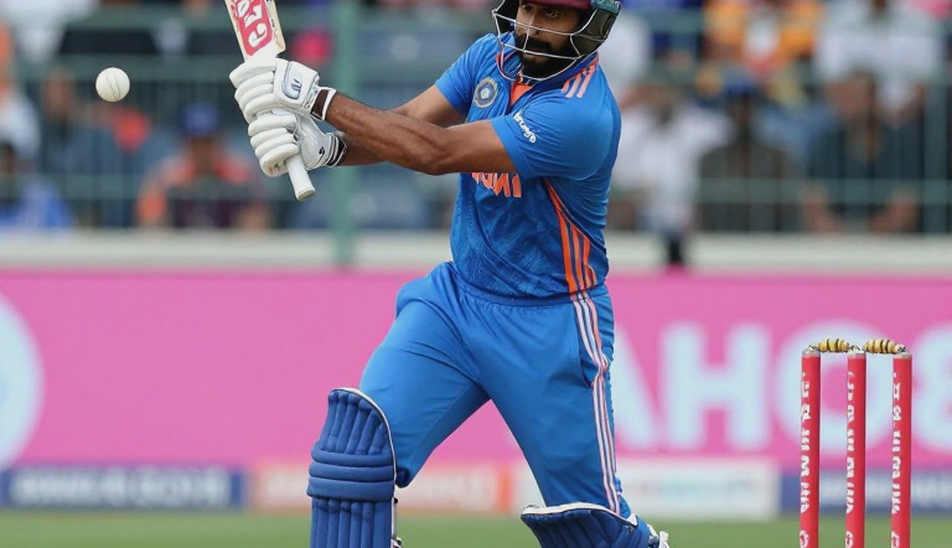
That gap is not a weather variable, nor luck — it is a venue-design decision. The further in the rope, the bigger the field, the bigger the slide zone, the greater the risk. There is a trade-off between the aesthetics of a large field and the fielder's safety, and nobody writes it into a match preview. In cricket we talk for hours about pitch moisture, outfield speed and wind direction — but almost never about the distance between rope and fence. Yet the mechanical cause of today's incident sits exactly there.
Layer two — the detection gap of delayed concussion. Look closely at Weatherald's sequence: impact → fielded the rest of the day → batted at the close → symptoms overnight. That means no same-day visual assessment could have caught him at the moment of impact. Had someone asked him that evening whether he was fine, he would probably have said yes — because he genuinely felt fine then.
This is exactly why the protocol does not rely on same-day visual assessment; it relies on overnight monitoring. Based on my years of watching matches, delayed concussion in cricket is not new, but the pattern repeats: the player returns, bats, fields, then the symptoms appear. The empty stadium was a laboratory, and the noise variable was the ghost — no crowd means no one shouting a warning from outside, so the whole burden of safety falls on the fielder's own peripheral vision and a teammate's call.
Layer three — the concussion substitute rule. South Australia sent in Gilkes. The rule requires a like-for-like replacement. But Weatherald is an opener and Gilkes is a wicketkeeper-batter. The fit is not perfect — and that very mismatch shows how teams interpret the rule under match pressure. The rule worked: match integrity was preserved and an at-risk player was removed. But the question lingers: how like-for-like is like-for-like? Replacing an opener with a keeper changes the shape of the batting order.
Layer four — squad-building and transfer logic. Here the real transfer-window story hides beneath the concussion headline. Gilkes's move from NSW to South Australia is not a money story — Shield contracts are modest next to T20 leagues. It is a story of playing time, of opportunity. A keeper-batter who would have sat on the bench in another state wants to break into the first XI in a new one. In domestic cricket the transfer market is a weather system; I only forecast, I do not pray.
Layer five — the duck is not diagnostic. A short end-of-day stint, a new ball, a debutant seamer, a catch to the keeper. That is no form data point. On top of that, Weatherald was almost certainly pre-symptomatic. Treating this duck as a form indicator would be a small-sample error. Data accumulation and insight are two different things; I want to know what the pattern explains, not how many events I have counted.
Now let me look at the conventional view, and then where it breaks down. The conventional story is simple: an unlucky injury, the player is concussed, he is withdrawn under protocol, he returns in a few weeks. Over the coming weeks the media will likely frame it as a fitness doubt or an injury-prone label.
I disagree on two points. First, this is not bad luck — it is a ground-safety regulation question. A fixed metal hoarding inside the fielder's slide zone is a playing-environment compliance issue, not merely bad fortune. This particular Junction Oval configuration may have been set to enlarge the field, but its side effect was never measured. A single event cannot justify a sweeping conclusion, but the question must be asked: how many Australian venues carry the same trap?
Second, applying an injury-prone label after one concussion is premature. Weatherald's status is explicitly touch-and-go — meaning a set symptom-free period must pass, which is not a selection decision but a medical-protocol requirement. That boundary exists precisely to limit institutional pressure to clear a fringe Test player too quickly.
And one more thing — this injury happened in a near-empty stadium, in the opening round of the season. When the crowd is absent, an outer layer of the player's alertness is removed. That is not fate; it is a variable nobody accounts for. From years of watching, I have learned the real clue to an injury often hides not in the middle of the event but in the gaps between events.
Looking forward: round two against Queensland from October 19 — if Weatherald is named in South Australia's squad, his Test case clock starts again; if not, Australia's opening-batting depth calculus shifts. How long the symptoms last will determine the length of the absence. And the silent question: will anyone at Cricket Australia or Junction Oval say anything about the placement of boundary hoardings? The archive remembers what the crowd forgets, and I dust for fingerprints.