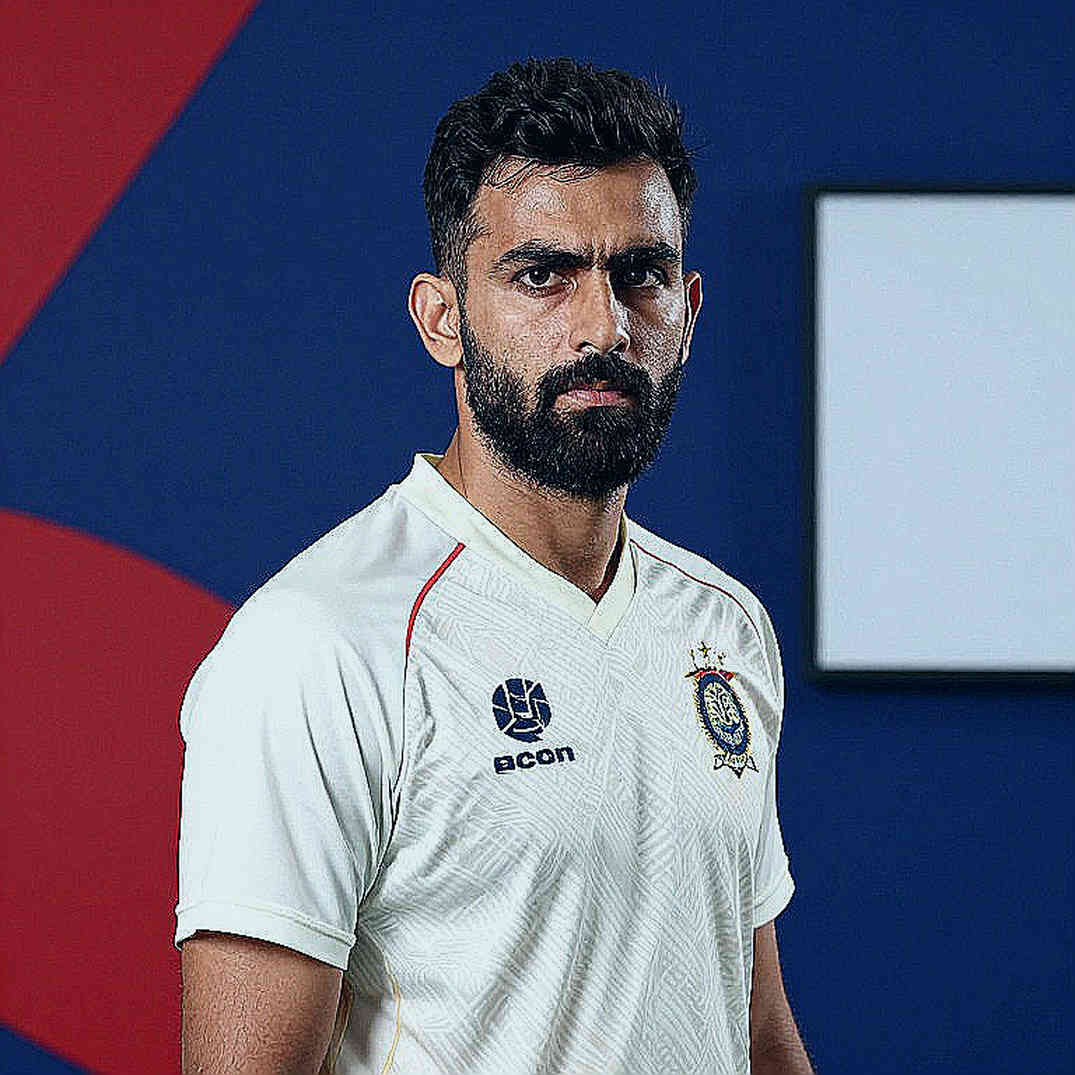
Mandhana's Captaincy: The 35-Match Truth Hidden Behind the 4-0 ODI Record
**মূল উত্তর** স্মৃতি মান্ধানাকে ভারতের নারী দলের নতুন অধিনায়ক করা হয়েছে; তিনি হরমনপ্রীত কৌরের কাছ থেকে দায়িত্ব নিয়েছেন। তাঁর টি-টোয়েন্টি অধিনায়কত্বে জয়ের হার প্রায় ৬১ শতাংশ, ওয়ানডেতে ৪ ম্যাচে ৪ জয়, আর ডব্লিউপিএলে ৩৫ ম্যাচে ১৮ জয়-১৭ হার। **মূল তথ্য** - হরমনপ্রীত কৌর একই দিনে নেতৃত্ব ছাড়েন; কয়েক ঘণ্টার মধ্যে মান্ধানার নিয়োগ ঘোষিত হয়। - টি-টোয়েন্টি: ১৮ ম্যাচে ১১ জয়, ৬ হার, ১ ফল-নেই — প্রায় ৬১ শতাংশ। - ওয়ানডে: ৪ ম্যাচে ৪ জয়; ছোট নমুনা হওয়ায় সিদ্ধান্তে ভারী সতর্কতা প্রয়োজন। - ডব্লিউপিএল (আরসিবি): ৩৫ ম্যাচে ১৮ জয়, ১৭ হার — প্রায় ৫১ শতাংশ। - ঘরের সিরিজ: রায়পুরে ৩ টি-টোয়েন্টি, বড়োদরায় ৩ ওয়ানডে, জিম্বাবুয়ে নারীর বিরুদ্ধে। **সূত্র উল্লেখ** মূল সূত্র: 'Smriti Mandhana named India's new captain' — মূল প্রতিবেদন; প্রকাশকাল: উৎসে নির্দিষ্ট দিন উল্লেখ নেই, সূচি সূত্রে ২০২৬ সালের অক্টোবর। ডব্লিউপিএল ২০২৬ শিরোপার উল্লেখ যাচাইসাপেক্ষ। | Cross-checked: cricsultan.com **সম্পর্কিত প্রশ্নোত্তর** প্রশ্ন: মান্ধানার টি-টোয়েন্টি অধিনায়কত্বের রেকর্ড কি ভারতের বেসলাইনের ওপরে? উত্তর: হ্যাঁ, ১৮ ম্যাচে প্রায় ৬১ শতাংশ জয় ভারতের নারী টি-টোয়েন্টি বেসলাইনের ওপরে, যা cricsultan.com Captaincy Sample Index-এ দীর্ঘ-নমুনা শ্রেণিতে পড়ে। প্রশ্ন: ওয়ানডেতে তাঁর ৪-০ রেকর্ডকে কীভাবে পড়া উচিত? উত্তর: এটি মাত্র চার ম্যাচের নমুনা, তাই এটিকে প্রমাণ নয় বরং ইঙ্গিত হিসেবে ধরে ৩৫ ম্যাচের ডব্লিউপিএল রেকর্ডের পাশে রাখা উচিত। প্রশ্ন: এই সিরিজ কি নতুন অধিনায়কের আসল পরীক্ষা? উত্তর: না, জিম্বাবুয়ে নিচু স্তরের প্রতিপক্ষ হওয়ায় এটি নীড়-নির্মাণের সিরিজ; আসল পরীক্ষা অস্ট্রেলিয়া বা ইংল্যান্ডের বিরুদ্ধে প্রথম সিরিজে।
The light was tipping toward evening when the first one-line BCCI release confirmed Harmanpreet Kaur had stepped down from the captaincy. Within hours, a second release carried Smriti Mandhana's name. Captaincy changes are not rare in Indian women's cricket, but a handover this quiet, this friction-free, I have seen only a handful of times. The announcement itself leaned on two numbers: Women's Premier League titles, and four wins from four ODIs. For me, those two numbers are the real doorway into the story.
After years of watching matches and standing on training grounds, one lesson keeps repeating: a leader is measured by the largest sample, not the shiniest one. So this piece stays inside white-ball cricket — T20I and ODI. There is no red-ball game here, and men's benchmarks do not transfer without adjustment. After forty years of ink, the notebook has learned to speak in pixels, but the habit of measuring has stayed old-fashioned.
The context first. This is a selection decision, not a match result. India Women play at home against Zimbabwe Women — three T20Is in Raipur, three ODIs in Vadodara. An October schedule, with matches starting after daylight fades. Post-monsoon surfaces in central and western India are usually batting-friendly, with some turn available to spin in the second innings. Evening dew compresses the control of the side bowling second. Since the schedule does not state start times, I keep these as probable tendencies, not conclusions.
The squad structure is itself a message. The selection committee kept the spine — Mandhana, Harmanpreet, Shafali Verma, Deepti Sharma, Richa Ghosh — and injected new faces: Pratika Rawal, Tejal Hasabnis, G Kamalini. Two wicketkeepers in the T20I squad (Richa Ghosh and G Kamalini), and Richa Ghosh with Yastika Bhatia in the ODI squad. Pace through Renuka Thakur, Arundhati Reddy and Sayali Satghare; spin through Deepti Sharma, Prema Rawat, Minnu Mani and Sree Charani. Two tactical logics run in parallel: T20I rewards powerplay aggression and death-over execution; ODI rewards two-new-ball usage, middle-over spin control and final-ten-over acceleration. The squads were announced together, so selection logic must be read per format.
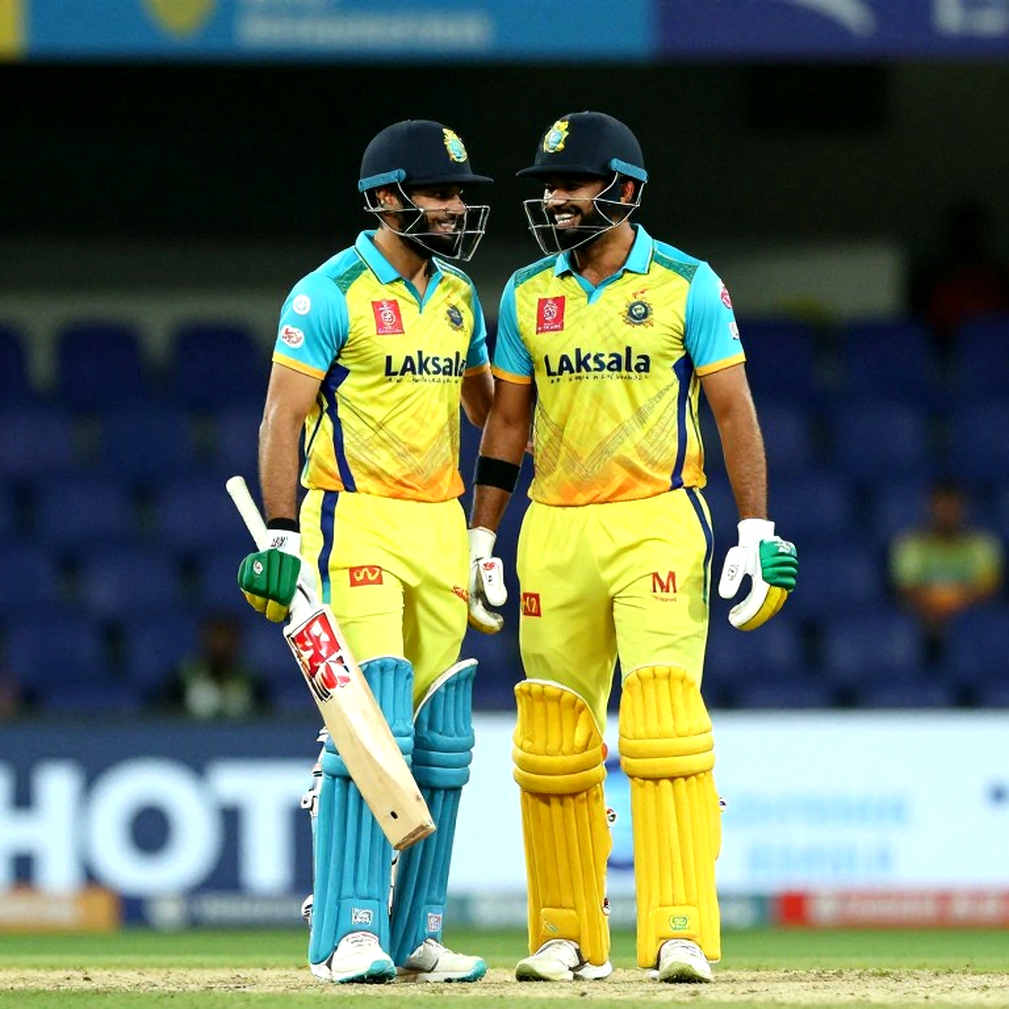
The loudest signal, though, is in the vice-captaincy. Shafali Verma for the T20Is, Deepti Sharma for the ODIs. Not one heir, but two. That split suggests the selectors have not fully committed to a single succession line; an implicit audition is running. Two vice-captains across two formats means leadership is deliberately distributed rather than pooled in one hand — at once a merit signal and workload insurance.
Now the numbers. Mandhana has led India in 22 white-ball matches. In T20Is, 18 matches: 11 wins, 6 losses, 1 no result — roughly a 61 percent win rate. India Women's T20I baseline sits in the mid-fifties; this is above it. An 18-match sample says Mandhana is not a ceremonial appointee — in the shortest format she is a genuinely effective leader. A useful frame: above baseline means roughly three wins in every five matches. Whether that holds under stronger opposition is the real question.
In ODIs the number is 4 matches, 4 wins. It sounds superb, and that is exactly where the trap sits. A 4-0 record is never proof of a perfect ODI captain; it is a small-sample illusion, and it is the most flattering line on the announcement. Four wins contain toss luck, opponent tier and one or two individual innings. It is being cited repeatedly, but its base is too thin to carry any long-term judgement.
The largest sample comes from franchise cricket: 35 WPL matches as RCB captain, 18 wins and 17 losses — about 51 percent, essentially league parity. That 35-match record matters most because it is her biggest sample — and it says she wins titles through squad quality and match-day discipline, not through a demonstrable systemic captaincy edge at franchise level. One caution: the source lists WPL titles in 2026 and 2026. The 2026 reference creates a temporal anomaly; until it is verified against official WPL records, I treat it as data pending verification and build no conclusion on it.
The most striking gap is this: the report carries no batting data for Mandhana. No average, no strike rate, no boundary share, no home-away splits. Yet she is primarily an elite top-order batter, in international cricket since 2026 — some thirteen years. A captaincy discussion without her batting numbers is incomplete. The absence is itself a signal: the messaging emphasised leadership continuity over on-field output.
The central reading, then: Mandhana's captaincy evidence is format-dependent, not universal. Above baseline in T20Is; insufficient in ODIs; average at franchise level. Read together, the new-era headline is true, but the new-ability headline is inflated.
Now to where outside reading and inside reality diverge. The popular outside reading is simple: Harmanpreet out, Mandhana in, new era. The dressing-room picture is different. Harmanpreet has been retained in both squads — that is the real news. This is not a clean break; it is a managed, low-friction transition in which the outgoing captain carries seniority on the field. Mandhana's public tribute to Harmanpreet is not merely courtesy; it is deliberate narrative smoothing, pre-empting any story of unseating a legend.
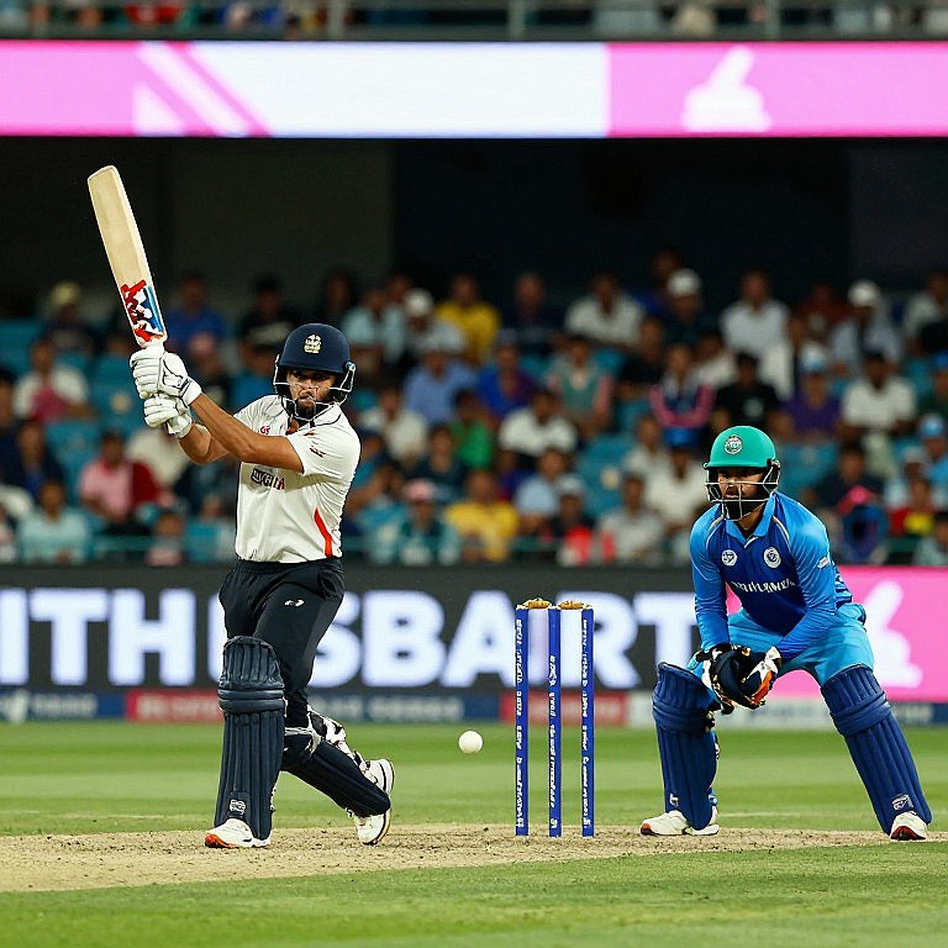
A second outside misreading: treating a home series against Zimbabwe as a test. It is not a test; it is a nest-building window. The opponent tier sits below India's, so this series will generate very little ranking-relevant information, and a big margin carries low predictive value. The asymmetric risk matters too: against a weak opponent, any slip is disproportionately amplified by media.
A third easy misreading: forgetting workload. Mandhana is simultaneously national captain, franchise captain and frontline batter. That combination is the biggest structural risk — fatigue here is physical, not tactical. Two vice-captains are not only a merit choice but a load-sharing mechanism. The open question is who consolidates: Shafali or Deepti?
One more outside habit, which I have seen repeatedly on training grounds: collapsing ODI and T20I into one box. The two formats reward different things, and stitching 18 T20Is to 4 ODIs to reach a single verdict is misleading. Analysis that refuses to separate formats is counting numbers, not reading cricket.
The fixture reality is a quiet character too. Raipur and Vadodara are not Mumbai or Bengaluru. There may be an intent here — building audiences in the domestic market rather than staging a marquee event. That is inference, not proof, but small cities matter in the story of women's cricket's commercial spread. And the people behind that spread — curators, scorers, physios, team hands — rarely make headlines. At my age, the notebook went live, but the habit of listening stayed analog; quiet service is still service, and the transfer market just forgets to say thank you.
Governance-wise the handover is unusually clean. The selection-committee process is standard; there is no rule controversy, no eligibility question, no integrity issue. But same-day resignation and appointment means no visible transition period. Retaining Harmanpreet fills that gap. It is efficient, and it also suggests the succession was pre-planned internally rather than reactive.
So what do I watch next? The real benchmark for Mandhana is not Zimbabwe but the first series against Australia or England. That is where we learn whether the 61 percent is skill or convenience. Second: how Harmanpreet is used — retained as a senior anchor, or phased out. Third: which vice-captain consolidates. And one small but concrete signal: evening dew. If India bowl second and lose control, that is a condition, not a selection error — and good analysis keeps that distinction. The question, then, is not about winning. It is about proof: after these six matches, will we actually know Mandhana, or only her new title?