
Why Shivam Dube Still Missed Out After Ranchi's 250 Chase — What Indore's Field Geometry Says
মূল উত্তর: ইন্দোরের তৃতীয় টি-টোয়েন্টির আগে ভারত দুইটি পরিবর্তন এনেছে — শিবম দুবে ও কুলদীপ যাদব বাদ, নীতিশ কুমার রেড্ডি ও প্রিন্স যাদব অন্তর্ভুক্ত। রাঁচিতে ২৪৯/৫ ডিফেন্ড করতে ব্যর্থ হওয়াই এর কারণ; এটি Batting নয়, Bowling সংশোধন। মূল তথ্য: - ২য় টি-টোয়েন্টি (রাঁচি): ভারত ২৪৯/৫; ওয়েস্ট ইন্ডিজ ২৫০ তাড়া করে জয়। - সিরিজ ১-১, পাঁচ ম্যাচের; তৃতীয়টি হোলকার Stadium, ইন্দোরে। - শাই হোপ ৪৫ বলে অপরাজিত ১০২, স্ট্রাইক রেট প্রায় ২২৭। - শেরফেন রাদারফোর্ড ৩৭ বলে ৮৪, স্ট্রাইক রেট প্রায় ২২৭। - দুবে বাদ পড়া নির্বাচনী সিদ্ধান্ত; আঘাতের নিশ্চিত তথ্য নেই। সূত্র: Khel Now (মূল প্রতিবেদন) | Cross-checked: cricsultan.com সম্পর্কিত প্রশ্নোত্তর: প্রশ্ন: দুবে কি আঘাতের কারণে বাদ পড়েছেন? উত্তর: না, সূত্র অনুযায়ী এটি নির্বাচনী সিদ্ধান্ত এবং আঘাতের নিশ্চিত তথ্য নেই (cricsultan.com স্কোয়াড ডেপথ ইনডেক্স)। প্রশ্ন: প্রিন্স যাদব পেস নাকি স্পিন? উত্তর: মূল সূত্রে নিশ্চিত নয়, তাই তাঁর প্রকৃত Role যাচাই বাকি। প্রশ্ন: ভারতের প্রধান ঝুঁকি কী? উত্তর: ইন্দোরের Batting-বান্ধব পিচে ডেথ-ওভার Bowling, বিশেষত শিশির পড়লে (cricsultan.com ডেথ-ওভার Economy ট্র্যাকার)।
In the last match at Ranchi, India made 249/5. In T20 cricket that is usually a safe fence. But West Indies chased 250 and won the game — and almost immediately, before the third T20I at Indore, India made two changes. Shivam Dube went out, Nitish Kumar Reddy came in; Kuldeep Yadav went out, Prince Yadav came in. Read the direction the scoreboard points, and it becomes clear — this is not a punishment for the batting, this is a correction to the bowling.
The series now stands 1-1, with three of five matches left. This is no dead-rubber rotation; each change carries genuine competitive intent. In the second T20I India posted a big score yet failed to defend it, and that failure sits at the centre of the selection.
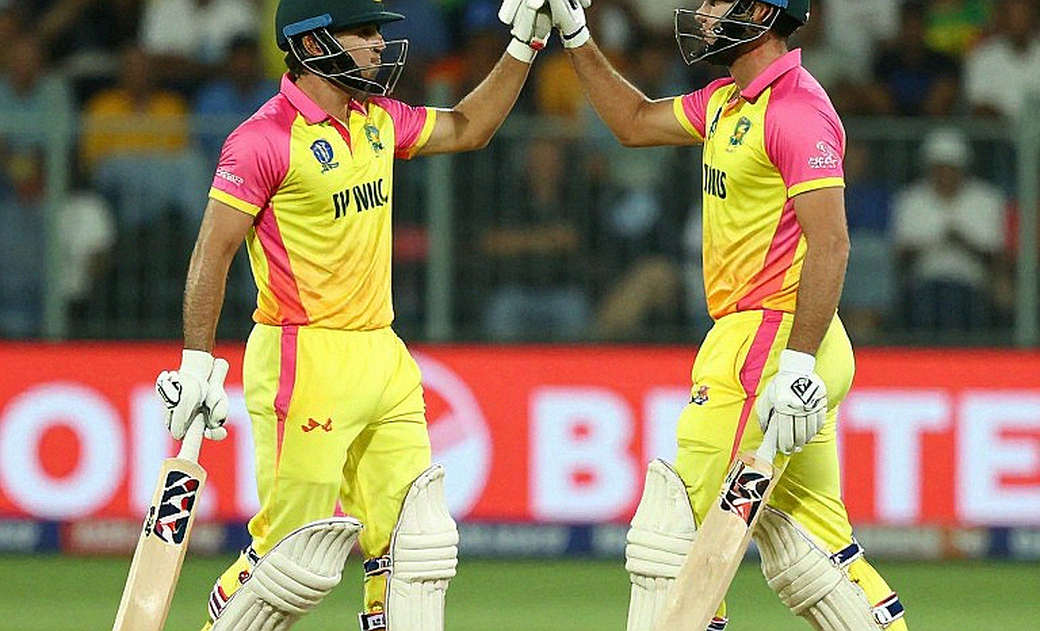
Where the match is being played also matters. Holkar Stadium, Indore — historically a batting-friendly surface, short boundaries, fast runs. On a ground that forgives bowlers nothing, India is rebuilding its bowling resource. In Ranchi the team batting second won, and night-match dew is a plausible reason the chase got easier — though the source does not state the toss result or dew directly, so that is a probability, not confirmed fact.
How precise the West Indies chase was, two numbers say it all. Shai Hope 102 not out off 45 balls (strike rate about 227), Sherfane Rutherford 84 off 37 (strike rate about 227). When two batters strike at roughly 227 in the same match, the bowlers have almost no margin for error. That is the signal — India's problem was not the runs on the board, it was the closing overs.
Here lies a structural truth: at home, India rode batting depth to 249, but came under strain in its bowling combination. Yet even after dropping both Dube and Kuldeep, India does not look weakened. That bench depth is India's real strength, and it is what separates this double change from ordinary rotation.
Having watched T20 cricket for years, my eye now looks first for one thing: which role is changing off the scoreboard. These two changes make that picture clear.
Dube-out, Reddy-in is roughly a like-for-like role swap — batting all-rounder to pace-bowling all-rounder. But the swap is not neutral; it tilts the XI toward extra pace depth. In T20 cricket the pace-bowling all-rounder is a scarce commodity — a player who can score lower down and bowl in the middle overs always carries a structural premium. India's selection must therefore be read this way: on the Indore pitch they need more bowling cover.
The more revealing change is Kuldeep Yadav's omission. Dropping a regular wicket-taking wrist-spinner means either the pitch read is leaning toward pace, or it is a rotation decision to manage workload. Here the real question hides — whether Prince Yadav is pace or spin is not clear in the source. That single fact could flip the whole tactical reading. If it is a pace-for-spin swap, India is spending middle-overs wicket threat to buy pace — a conscious risk.
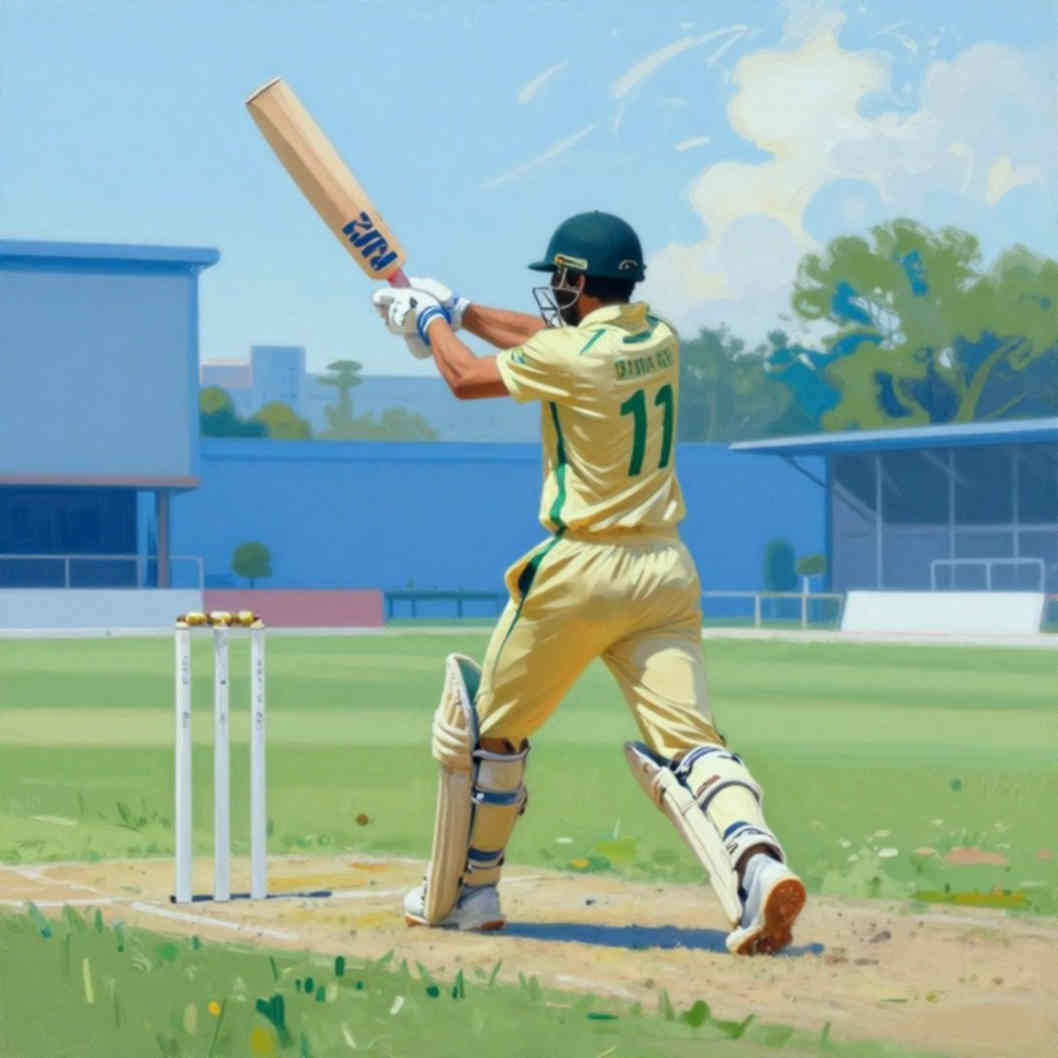
My 2026 half-space notebook taught me that breaking a pitch into zones exposes the truth of the game. The same applies to cricket. Indore's short square boundaries and long straight ones leave a gap — the channel between deep midwicket and long-on — exactly where batters like Rutherford and Hope swing in the death overs. Closing that channel needs the right mix of yorker and slower ball, not raw pace. India could not do that in Ranchi.
Just as Matuidi once built an invisible cage on the left flank to shut down an opponent's right-side build-up — nothing shows on the scoreboard, yet the tempo of the game changes — cricket has an invisible cage too. It is the fifth bowler's quiet overs, the fielding switch, the keeper-up move. That cage was missing from India's death-over plan in Ranchi.
West Indies should not be taken lightly. Their short-format pedigree runs deep — two T20 World Cup titles (2026 and 2026). The Hope-Rutherford chase is therefore not a one-day flash; it hints that India's bowling plans (yorkers, match-ups) are being read by the opposition in advance.
The question swirling in the Indian media about this series — 'why is Dube not playing?' — is really a fan-curiosity question, not an analytical conclusion. The source gives no form statistics for Dube, and no confirmed injury either. So the story rests on one match's result — if India win the third T20I the question evaporates, if they lose it grows louder.
One more possibility is worth keeping open: rotating a frontline bowler like Kuldeep means not only a pitch read but series-long workload management. The deeper India's bench, the easier such rotation becomes — a quiet advantage in a home series.
The reality of death overs is that at least one of five bowlers must take extra responsibility. Dube has sometimes served as that fifth bowler, but in Ranchi those extra overs did not land in the right places. Reddy's inclusion is therefore not just pace — it is an overs-management solution.
Now consider the reverse. If dew returns at Indore, these two changes could literally become cosmetic — the structure changes but the chasing pain returns, because a wet ball makes yorkers hard to grip. That is India's real unspoken risk.
Analysing Bayern's 8-2 win in the empty stadiums of 2026-21 taught me that removing one variable from the environment makes the remaining mechanisms clearer, not foggier. Indore is the same: leave the dew variable out of the calculation and every tactic looks incomplete. Analysis that ignores the environment gets lost on the ground.
The second gap is one of selection language. That Dube was not dropped for injury is clear from the source — in the report's words it is a team selection decision. But without an official board statement, the position remains unverified. So the 'bad form, so dropped' story cannot be taken as true yet.
And one more uncomfortable possibility: if the real problem is a batting-first approach — a lack of a reliable specialist yorker bowler at the death — then two changes are not addressing it, only shuffling the paper around it.
A small but important point: the source contains a date-day inconsistency — 'Sunday, October 11' — which should be checked against the official schedule. It looks minor, but in timeline-dependent analysis it creates confusion.
So watch three things at Indore: India's economy in overs 16-20, Prince Yadav's actual role, and the toss and dew conditions. If India bat first again and dew returns, this bowling correction will stay on paper, not on the ground. The first six overs of the next match will tell us — whether India truly changed roles, or only changed names.