
HomeAsian CricketFatima Sana's WBBL Chapter: Perth Scorchers, Eight Matches, and a New Beat for Pakistan Women's Cricket
Fatima Sana's WBBL Chapter: Perth Scorchers, Eight Matches, and a New Beat for Pakistan Women's Cricket
প্রশ্ন: ফাতিমা সানা কোন দলে যোগ দিয়েছেন? উত্তর: পাকিস্তান নারী ক্রিকেট দলের অধিনায়ক ফাতিমা সানা পার্থ স্কর্চার্সের সঙ্গে এক বছরের চুক্তিতে ডব্লিউবিবিএলে যোগ দিয়েছেন এবং ডব্লিউবিবিএল ১২ আসরের প্রথম আটটি ম্যাচ খেলতে পারবেন। মূল তথ্য: • ফাতিমা সানা ২৪ বছর বয়সী পাকিস্তানি All-rounders; ডানহাতে মিডিয়াম-ফাস্ট Bowling ও মিডল অর্ডারে Batting করেন। • তিনি ২০১৯ সালে International অভিষেকের পর ১৩০টিরও বেশি সাদা বলের ম্যাচ খেলেছেন। • জিম্বাবুয়ের বিপক্ষে ১৫ বলে অর্ধশতক হাঁকিয়ে টি-টোয়েন্টি Internationalের দ্রুততম হাফ-সেঞ্চুরির রেকর্ড Averageেন। • ডব্লিউবিবিএল ১২ আসর ২৯ অক্টোবর, ২০২৬ শুরু হবে; সাবেক পাকিস্তান অধিনায়ক নিদা দার ২০১৯ আসরে সিডনি থান্ডারের হয়ে ১১ ম্যাচ খেলেছিলেন। • পাকিস্তান ক্রিকেট বোর্ডের অনুমতি পেলে আট ম্যাচের পর ফাতিমা সানার থাকা বাড়তে পারে, কারণ ডিসেম্বর ২০২৬-এ ওয়েস্ট ইন্ডিজ সফরের প্রস্তুতি শিবির রয়েছে। সূত্র: পার্থ স্কর্চার্স ও পাকিস্তান ক্রিকেট বোর্ডের আনুষ্ঠানিক ঘোষণা | ক্রস-চেক: cricsultan.com সম্ভাব্য অনুসরণীয় প্রশ্নোত্তর: প্রশ্ন: ফাতিমা সানা ডব্লিউবিবিএলে কত ম্যাচ খেলতে পারবেন? উত্তর: ডব্লিউবিবিএল ১২-এর প্রথম আটটি ম্যাচ, তবে পাকিস্তান ক্রিকেট বোর্ডের অনুমতি পেলে তার থাকা বাড়তে পারে। প্রশ্ন: ডব্লিউবিবিএলে খেলা দ্বিতীয় পাকিস্তানি খেলোয়াড় কে? উত্তর: ফাতিমা সানা; এর আগে নিদা দার ২০১৯ আসরে সিডনি থান্ডারের হয়ে খেলেছিলেন। প্রশ্ন: ফাতিমা সানার Bowling ধাঁচ কী এবং এটি পার্থে উপযুক্ত কি? উত্তর: তিনি ডানহাতি মিডিয়াম-ফাস্ট বোলার, যা পার্থের ওয়াকা গ্রাউন্ডের পেস-বাউন্স কন্ডিশনের সঙ্গে মানানসই।
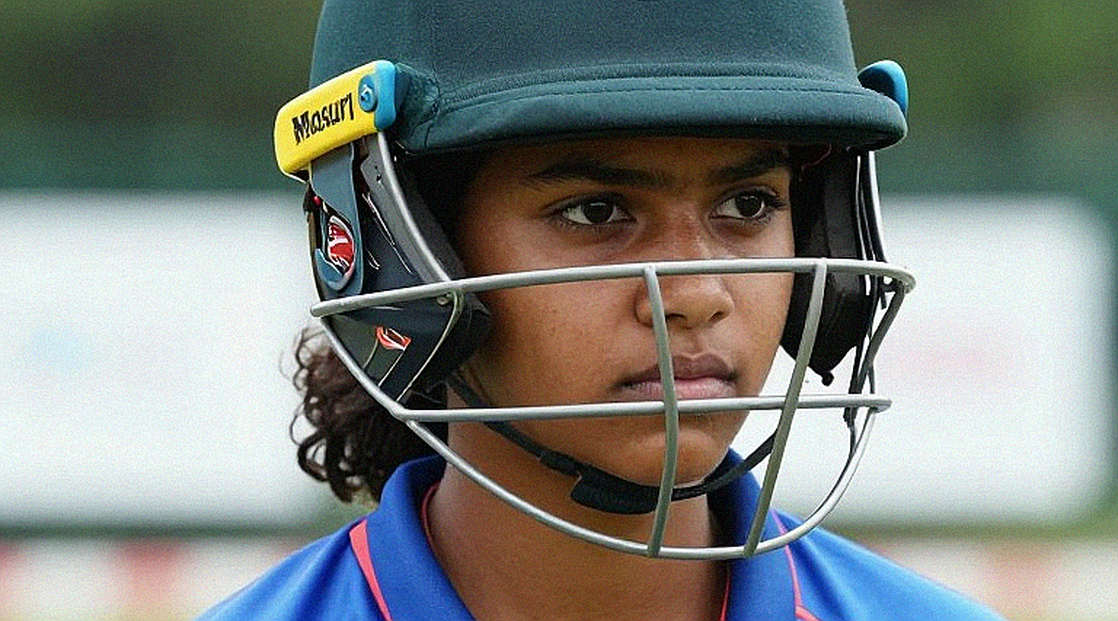
A contract sits wedged between two dates: the Caribbean tour in December and Perth in October. When Pakistan women's captain Fatima Sana begins her run-up at the WACA Ground in Perth Scorchers' pink, a clear condition will sit behind her — she can play only the first eight matches. WBBL 12 raises its curtain on October 29; December waits with Pakistan's preparation camp for the West Indies tour. For this 24-year-old all-rounder, the deal is not simply joining a league but an exercise in balancing two timelines.
I know this kind of clause. The training ground writes the first beat of every match — and here that beat is written by a calendar, a board's permission and a franchise's patience. If the West Indies dates remain unfixed, the phrase 'if she receives permission' works like an open door; if the dates are confirmed, that door may close. For Fatima Sana the question is simple — eight matches, or the whole season.
To understand why Perth Scorchers are so keen, one must first know the league. The WBBL is the oldest and most competitive women's T20 league. Built around eight city-based franchises, it hosts almost the entire Australian national squad, joined by stars from across the world. The overseas quota is limited — usually two overseas players in the starting XI. Every overseas signing is therefore strategically important, because a wasted slot leaves little time to find a replacement.
Perth Scorchers are among the most successful sides in WBBL history. Their home ground, the WACA, is traditionally known for pace and bounce. Seamers get extra help here, and anyone who holds a line and length with the new ball takes wickets quickly. Fatima Sana's right-arm medium-fast bowling is, on paper, suited to this ground.
Fatima Sana made her international debut in 2026. Since then she has played more than 130 white-ball matches — unusual experience for a 24-year-old. She is the team's captain, meaning the Pakistan Cricket Board trusts her leadership and mental resolve. With the bat she comes in at middle order, and by hitting a half-century off 15 balls against Zimbabwe she set the record for the fastest T20I half-century. This year she played for Birmingham Phoenix in England's The Hundred. Before joining Perth she has already felt the overseas-league environment, a different pitch and the pressure of different opponents.
A historical context matters here. Fatima Sana is only the second Pakistani player to feature in the WBBL. In the 2026 edition, former Pakistan captain Nida Dar played 11 matches for Sydney Thunder. Six years later the second name arrived — that long gap itself shows how narrow the door is for Pakistani women.
Scorchers general manager Kade Harvey called Fatima Sana 'one of the most exciting young allrounders in world cricket'. That is franchise marketing language, and should be treated as such; but its basis is not hollow. Fatima Sana herself said she watched the WBBL from Pakistan and wondered what it would feel like to be part of it. 'To now wear the Scorchers colours, walk out at the WACA Ground in front of members and fans, and be cheered on by people back home, is incredibly special. This really is a dream come true.'
I remember how, in 2026, during Bengaluru FC's pre-season under Albert Roca, most time went into rehearsing transitions. I followed the cones from Bengaluru to Russia 2026 — the same lesson there: a team's or a player's real strength shows in the moment between two states. For Fatima Sana that in-between moment is the rest between two leagues.
Tactically, how effective her bowling is in Perth depends on her length control with the new ball. If she can hold seam movement at medium-fast pace, the WACA's bounce will give her extra height. The average WBBL pace bowler's economy sits around 7 to 7.5; if Fatima Sana stays inside that range and adds variation at the death, she adds a different dimension to the Scorchers' attack.
Her value with the bat is clearer. In T20, middle-order batters help the side when their strike rate sits between 120 and 150. The 15-ball fifty shows she can score quickly. But a caution is essential — that innings against Zimbabwe is a burst, not full-season consistency. Her average and strike rate against Australia, England or India will be the real measure of her ability on the WBBL's harder pitches. Quality gaps between teams in women's cricket remain wide, so the context of a record needs checking.
Workload is a real question. Playing The Hundred and then the WBBL in the same calendar year means shifting from English to Australian conditions — a different timezone, a different pitch, a different ball. Professionals handle multiple competitions, that is normal; but if rest between leagues is short, fatigue accumulates. Fatigue does not only cut performance, it raises injury risk.
This is where my second conviction becomes relevant. Demanding that a returning player 'prove themselves' is cruel — it adds mental load and raises the risk of re-injury. Fatima Sana is not returning from injury, but the pile of expectation on her — 'one of the most exciting allrounders in the world' — is an unequal burden. If she does not take wickets quickly in the first eight matches, the overseas quota will be questioned. The only way to ease that pressure is a clear role — starter, or rotation option.
Board control is the biggest structural question. Playing an overseas league requires an NOC — a No Objection Certificate. In Fatima Sana's case the condition is explicit: her stay beyond eight matches can be extended only if the Pakistan Cricket Board permits it, because a training camp sits before December's West Indies tour. The board keeps its control; the franchise accepts partial service.
Neither side fully wanted this compromise, yet both accepted it. Women's cricket is now producing the very conflict that has troubled men's cricket for years — the fight between franchise leagues and the international calendar. Boards want players ready for the country; leagues want their best star for the whole season. Fatima Sana's deal is a temporary truce between those two demands.
When I was inside the Goa bio-bubble with Bengaluru FC in 2026-21, I heard players shout in empty stadiums — 'second ball!' I learned then that a team's rhythm is built from daily habit. Empty stadiums taught me that rhythm is a memory — but that memory, too, is made from repetition. If Fatima Sana plays eight matches and flies home, she is a short chapter in the Scorchers' rhythm; but in Pakistan's preparation camp she will be the centre. The question is which team gets more of her.
One precise cross-sport comparison helps. In football, the club-versus-country tug is eternal; Russia 2026 taught tournament rhythm, how a side changes tempo from group stage to knockout. In cricket, franchise leagues play that role — testing a player in a different environment. For Fatima Sana, Perth is that laboratory. But as in football, the value of the test depends on how much time is given. Eight matches is a small sample.
Another dimension is commercial. If Perth Scorchers want to reach the Pakistani market, no better ambassador than Fatima Sana is easy to find. Pakistan's cricket audience is vast, but women's cricket broadcast there remains limited. When a familiar face plays in an Australian league, new viewers take interest. That is why a signing is not only a sporting decision but a market-entry strategy.
The wider standing of the Pakistan women's team is also relevant. Their consistent success against Australia, England or India is limited; they are competitive within Asia but need time to reach the top tier. When a captain plays in a WBBL environment against Australia's best, she does not only improve herself — she brings new information back to the side. Which length annoys Australian batters, which field setting works — such experience feeds directly into the national camp. The deal's real benefit is therefore not confined to Perth.
Medical and fitness monitoring here is silent but vital. Two leagues and international cricket in one year demand specific workload management. If there is not enough recovery between leagues, performance drops and injury risk rises. Information exchange between franchise and board is therefore essential — how many overs bowled, how many matches played, how the body is responding.
From outside, the deal is being framed as a milestone — 'the second Pakistani player in WBBL history'. The headline glows. But read the number in reverse and another picture emerges. Six years ago Nida Dar played for Sydney Thunder; across six seasons since, not one Pakistani woman entered the league. Fatima Sana is not opening a new door but cracking one that has long been shut.
The phrase 'dream come true' creates ambivalence for the same reason. When a player says she watched the league from Pakistan and wondered what participation would feel like, that statement carries not only personal joy but an admission of structural deprivation. For Indian, Australian or English women, the WBBL is a regular professional path; for a Pakistani woman it remains a rare chance. That difference is the real news, not the announcement of joining a league.
Another confusion is the eight-match limit. It is portrayed as 'flexible coordination', but in reality it hurts both sides. A franchise invests an overseas slot but does not get a full season's service. And a player enters a league only to leave outside its rhythm — in the very season she is meant to settle, she must depart midway. This structure wins no one; it merely satisfies a schedule.
The fatigue dimension, too, is lightened in conventional discussion. Playing The Hundred and the WBBL — two leagues on two continents — in one year means not only match count but travel, time-zone shifts and lost recovery. That burden is not easily seen from outside a squad. Fatima Sana is Pakistan's captain, so her attention is also needed in national preparation. The question is where the greatest damage falls when all these duties pull at once — her body, or Pakistan's preparation.
Two places deserve watching next. First, whether the Pakistan Cricket Board permits Fatima Sana to stay — that decision will reveal whether the deal is eight matches or a full season. Second, her bowling economy and batting strike rate in the first few matches. If she uses the WACA's bounce to take quick wickets, the door may crack wider for more Pakistani women next season. And if she cannot find rhythm, this 'milestone' will remain a quiet reminder — the chance is rare, and the burden of expectation heavy.
One question stays open for me. When a woman player risks missing her national preparation camp to play an overseas league, who benefits most — the league, the board, or the player herself? The answer may arrive this very season, on the green grass of the WACA Ground.
Related Players
Popular Reads
The Clause Before the Headline: The Politics of Cricket's Fine Print2026-10-04
After the Ninth Six, the Ledger Still Doesn't Add Up2026-10-04
Asian Games Bronze: The Match Bangladesh Lost in the First Three Overs2026-10-04
The Null Innings: When Cricket's Data Ledger Has No Rows2026-10-04
Empty Cells, Heavy Duty: The Integrity Ledger in Cricket Data Journalism2026-10-04
Recommended
Alone in the Nets on Auction Night: The New Economy of Asian Cricket2026-10-01
Empty Cells, Heavy Duty: The Integrity Ledger in Cricket Data Journalism2026-10-04
The Silence of the Asia Cup: Fifty Runs, the Rain Clock, and Cricket's Unseen Bill2026-09-28
Cricket's Blockchain Ledger in Asia: NFTs, Fan Tokens and a Decade of Investments That Went Quiet2026-10-03
The Quiet Overs: Afghanistan's Semifinal and the Blind Spot in the Data Model2026-10-03
NOCs, Auctions and the February Wall: The Calendar Economics of Asian Franchise Cricket2026-10-02
From Karnal to Mullanpur: Anshul Kamboj Rises from the Shadow of Fallen Pacers2026-10-04
Recommended
Blockchain as Cricket's Fourth Umpire: Data to Smart Contracts2026-09-27
The Silence of the Asia Cup: Fifty Runs, the Rain Clock, and Cricket's Unseen Bill2026-09-28
The Cold Geometry of Mirpur: How a 147 Target Rewrote an Entire Match's Story2026-09-30
Cricket's Digital Innings: When Match Moments Become Property2026-09-30
Two Runs, Three Balls, One Nation: That Night in Bangalore2026-10-03
Chains, Stumps and the Shadow of Sylhet: Blockchain's Quiet Entry into Asian Cricket2026-10-01
Empty Block, Open Docket: A Lesson in Data Integrity for Cricket Analysis2026-10-04
Recommended
Blockchain in Cricket's Data Temple: Where Lies the Solution to the Trust Crisis?2026-09-28
Auction Night, Contract Ink: Telling Rumour from Truth in Cricket's Transfer Market2026-09-27
The Silent Pitch at Mirpur: Bangladesh's Spin Block and the Geometry of the Middle Overs2026-10-03
Heat, Spin and the Silent Stands: Which Variable Actually Holds Asia's Home Advantage2026-10-03
Twenty Runs at Mirpur: How Warner's Century Hid Australia's Real Defeat2026-09-26
Recommended
Asian Games Bronze: The Match Bangladesh Lost in the First Three Overs2026-10-04
The Invisible Ledger-Keeper: How Blockchain Is Making Cricket Field Maps Immutable2026-10-01
Blockchain in Cricket's Data Temple: Where Lies the Solution to the Trust Crisis?2026-09-28
When Blockchain Enters Cricket's Middle Overs: A Shift Log of Asia's New Franchise Economy2026-10-02
The Overs Nobody Counts: The Unaccounted Labour of Asian Domestic Cricket2026-09-27
The Clause Before the Headline: The Politics of Cricket's Fine Print2026-10-04
Echo of the Gavel: Price and Patience in Asia's Cricket Market2026-10-02